Career
Feedback Loops and Rubber Duckies: A Dev's Guide to Not Taking it Personally (and Actually Improving)
How to give and receive feedback without taking it personally — practical tips for code reviews, swallowing your pride, and turning critique into growth.
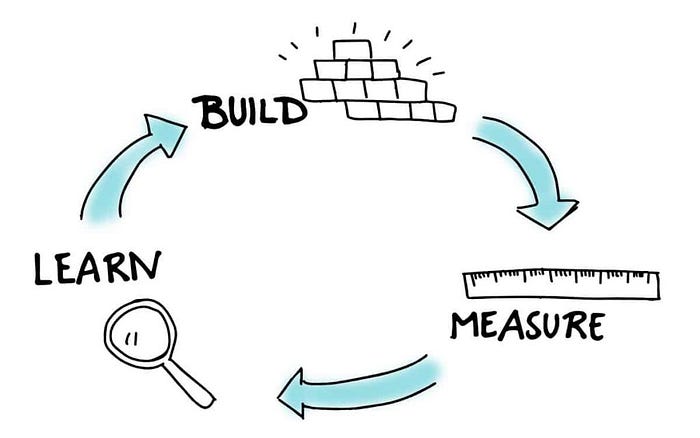
Okay, fellow code monkeys, listen up. We’re diving into the murky waters of feedback — that thing your boss, colleagues, and even rubber duckies throw your way when you least expect it. We all know feedback is supposed to be helpful, but let’s be real, it can feel like a digital slap in the face sometimes. So, how do we turn those cringe-worthy moments into actual growth opportunities? Don’t worry, I’ve got your back (and your rubber ducky’s too).
Giving Feedback: The Art of Not Being a Jerk
Let’s start with dishing it out. Imagine you’re reviewing a colleague’s code, and you spot a function that looks like a spaghetti monster on steroids. Resist the urge to unleash your inner Gordon Ramsay! Instead, try this:
- Get Specific, Captain Obvious! Saying “this code sucks” is about as helpful as a chocolate teapot. Instead, laser focus on the problem: “Hey, this function seems a bit convoluted. Have you considered breaking it down into smaller, more manageable chunks?”
- Don’t Be a Grammar Nazi: We’re developers, not English majors. Focus on the code’s functionality, not the typos. (But seriously, good docstrings are a gift to your future self and your teammates.)
- Sandwich Time! (The Good Kind): Every developer craves a little validation. Start with something positive: “I really like how you handled the error handling in this module.” Then, slip in the constructive criticism: “But maybe we could streamline the validation process a bit?” Finally, to end on a positive note: “Overall, great work!”
- Channel Your Inner Bob the Builder: Don’t just highlight problems, offer solutions! If you see a better way to do something, share it. But remember, there might be constraints you’re not aware of, so be open to discussing alternatives.
- Timing is Everything (Except in JavaScript): Don’t ambush your colleague with feedback right before a deadline. Schedule a code review session or use a collaboration tool so they can digest the feedback without feeling overwhelmed.
Receiving Feedback: Time to Swallow Your Pride (and Maybe a Pint of Ice Cream)
Now, let’s talk about the flip side — being on the receiving end of the critique. We’ve all been there, staring at a pull request comment that makes us question our entire existence as a developer. Here’s how to handle it without spiralling into a self-doubt abyss:
- Listen Up, Buttercup: Resist the urge to fire back a defensive response immediately. Take a deep breath, read the feedback carefully, and try to understand the perspective of the person giving it.
- Check Your Ego at the Door: It’s easy to take feedback personally, but remember, it’s about the code, not you. If you feel yourself getting defensive, take a break, go for a walk, or scream into a pillow (works wonders, trust me).
- Ask Questions, Sherlock: If the feedback is unclear, don’t be afraid to ask for clarification. “Can you give me an example of what you mean by ‘over-engineered’?” This shows you’re open to learning and willing to improve.
- Say “Thank You,” Even If You’re Secretly Fuming: Gratitude goes a long way. Thank the person for their feedback, even if you don’t agree with it. You can always discuss it further later.
- Learn and Iterate: Take the feedback to heart (but not to your ego!). Analyse it objectively, decide what to implement, and use it as fuel for your next coding adventure.
Bonus Tip for Developer Parents
If you’re a parent juggling code and kids, remember, feedback is a two-way street. Practice giving constructive feedback to your little ones (no, throwing a tantrum because the block tower isn’t perfect doesn’t count). And don’t forget to ask for feedback from your colleagues on how you’re managing your dual roles. We’re all in this together!
The Feedback Loop: Your Path to Levelling Up
Feedback is the XP boost your developer career needs. Embrace it, learn from it, and watch your skills (and maybe even your patience) grow. Remember, even the most experienced developers get feedback, so don’t be afraid to ask for it. And when you give it, do it with kindness and a touch of humour. After all, we’re all just trying to write code that doesn’t make our rubber duckies quack in terror.